SBIR/STTR Coverage
How SBIR Commercialization Changes the Inland Marine Equation for Autonomous Robot Fleets
How moving from SBIR prototype to production fleet exposes insurance gaps.
Daisuke Okonkwo
· 9 min read
Which carriers actually write robot-specific inland marine, and which merely have capacity.
Six underwriting tests show which insurers truly understand autonomous fleet risk.
Inland marine insures the robot while general liability insures everyone it might hurt.
Inland marine anchors the hardware; specialized liability forms cover autonomous operations.
Blanket inland marine follows robot fleets across deployment sites without scheduling each unit.
Autonomous robots need four insurance lines where equipment floaters only cover the box.
SBIR data rights alone won't shield your AI from breach losses and insurance gaps.
SBIR Phase III commercialization risks IP infringement claims if data rights aren't preserved.
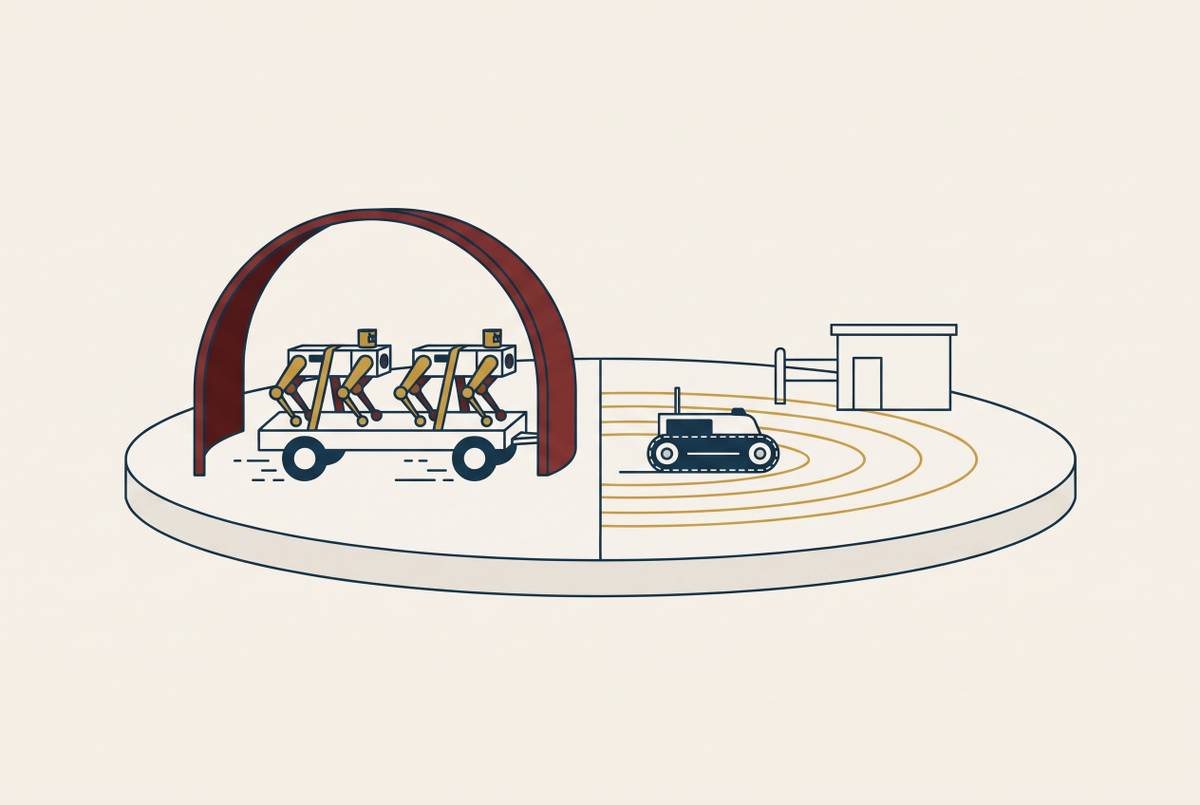
Moving prototypes need coverage designed for equipment in transit, not anchored to one location.
Cleared contractors need COIs matching the contract's insurance exhibit, not DCSA rules.
Different agreement types trigger different insurance requirements for autonomous systems work.